Two of the first airlines to fly the superjumbo are now planning ahead for its last flight…
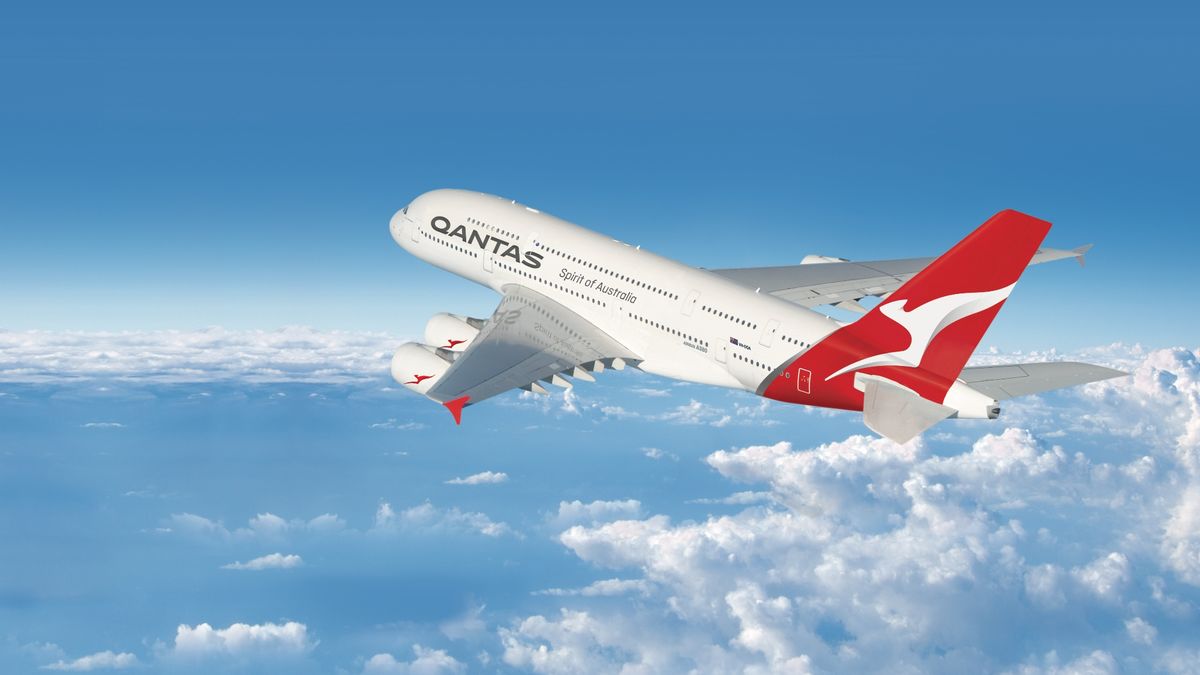
Qantas and Emirates are preparing to phase out the mighty Airbus A380, the plane which revolutionised commercial air travel with fancy first class suites, inflight showers, bars and lounges.
But lovers of the superjumbo experience will still have many years to make the most of the double-decker, which is enjoying a resurgence of popularity on the back of a post-pandemic travel boom.
Both airlines began flying the A380 in 2008 – one year after launch customer Singapore Airlines – and now expect their superjumbos to be retired within the next ten years.
Incoming Qantas CEO Vanessa Hudson, speaking on the sidelines of an aviation industry gathering in Istanbul last month, said the airline’s ten remaining A380s would make their exit over the next decade.
This will dovetail into the ascent of the Airbus A350 from late 2025, when Qantas begins its ambitious nonstop Project Sunrise flights to the likes of New York and London, with the possibility that a second tranche of A350s beyond the initial order of 12 will both grow the Sunrise network and help replace the 485-seat superjumbos.
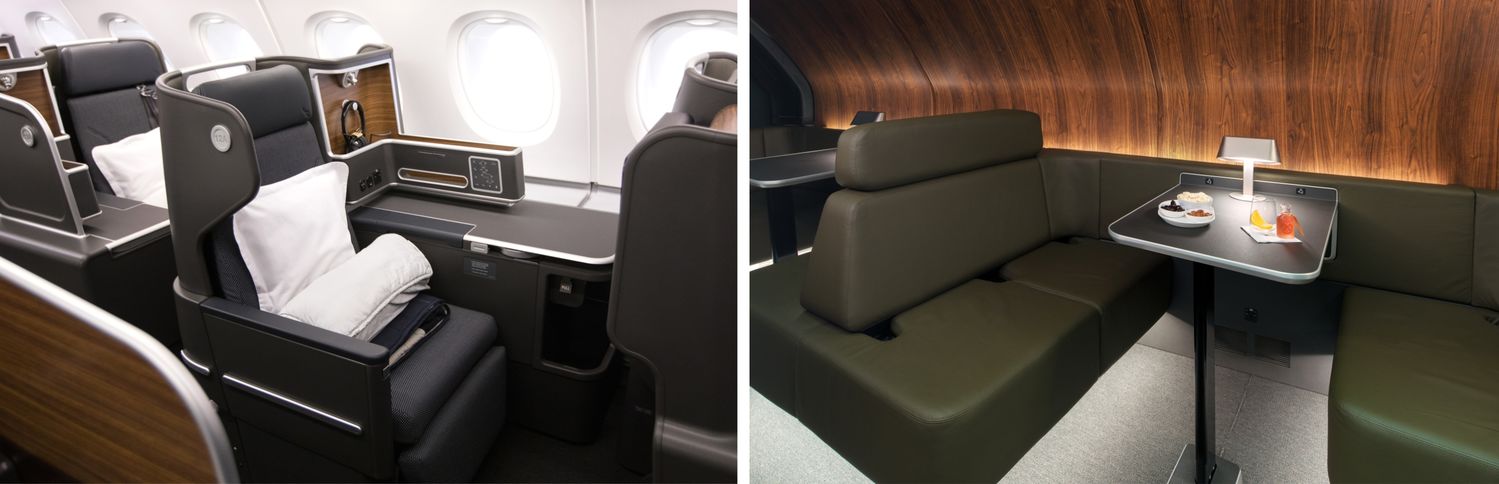
Qantas is upgrading its remaining A380s with new business class seats and lounges.
Boeing 787s are expected to take other international routes under their wing, with Qantas keen to add more non-stop flights to destinations such as Chicago, Seattle and Paris.
Superjumbo stalwart Emirates, which remains the A380’s largest customer and staunchest supporter, also sees a similar timeline for the end of its globe-spanning A380 fleet.
Emirates President Sir Tim Clark confirmed at the same Istanbul gathering that the Gulf colossus would fly its A380s into the next decade but begin retiring them in 2032.
Over 100 A380s with Emirates’ distinctive four-colour tail spear out from its Dubai hub and were essential for the airline’s ‘hub-and-spoke’ model which before the pandemic shuttled over 50 million passengers each year between all corners of the globe.
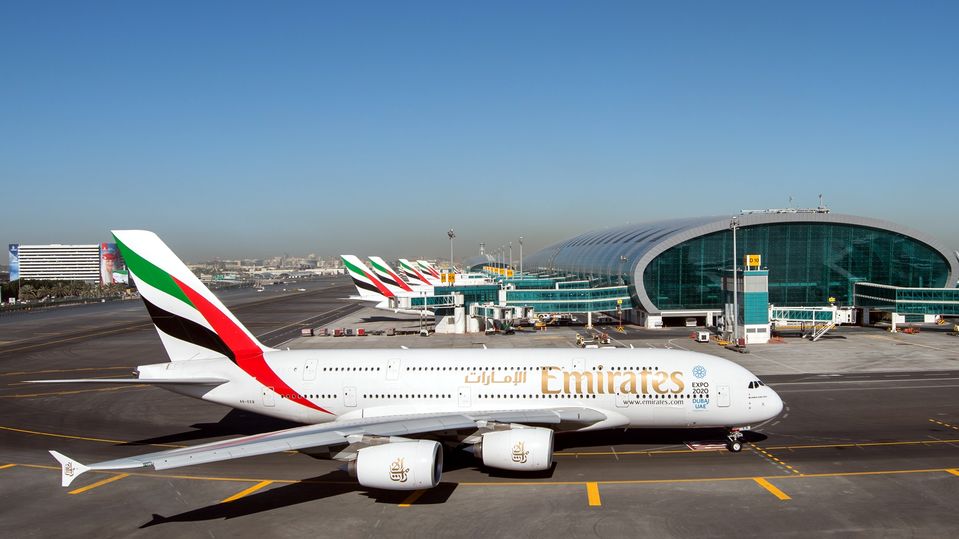
The A380 was integral to Emirates’ success.
And while Emirates plans to bolster its post-superjumbo fleet with more Airbus A350s and Boeing 777s – on top of a current order for 50 A350s and 117 777X series – Clark remains convinced that Airbus should have pushed ahead with a next-gen A380 rather than shutting down the program in 2019.
“As you know, I’ve been bemoaning the absence of the A380,” Clark said, citing its ability to carry around 500 passengers on the world’s busiest routes.
“I have six A380s going into Heathrow at a 95% seat factor, and in the absence of a third runway, which I don’t think will happen, I shudder to think what’s going to happen.”
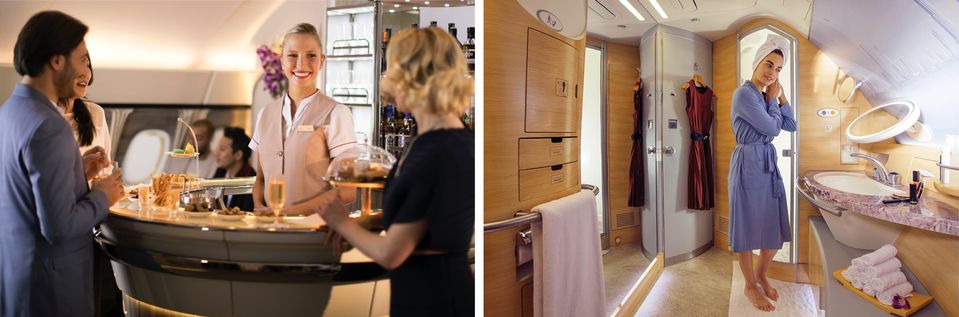
The cocktail bar and shower suites are signature touches of the Emirates A380 experience.
While Air France and Thai Airways scuppered their A380s during the pandemic, Lufthansa has recently resumed flying its long-grounded A380s, with Etihad Airways due to follow on July 22.
Qatar Airways has also recanted on what its CEO Akbar Al Baker once described as “the biggest mistake” in the airline’s history, bringing eight of the ten-strong A380 fleet out of mothballs in November 2021 for key destinations including London, Paris, Sydney, Perth and Bangkok.
However, those A380s will finally meet their inevitable fate over the next few years as more Airbus A350s arrive, followed by Qatar’s own Boeing 777-9 jets sporting a new Qsuite business class, although without first class.